Tax Talent & Workforce Trends – October 2026
From Filing Season to AI Season
My timing for this newsletter is either very good or very bad. It’s liberation day for most tax professionals. Starting today, I think half of you will shut off all work devices and delete all non-essential emails and messages (possibly including this one), and the other half are still wound up and need some time to ease into slow season. Whatever path you take to downshifting, I hope you get there and enjoy it for a while. We, on the other hand, are gearing up for another busy time of year. I don’t know the exact numbers, but I would guess that somewhere around 40 percent of job changes in the tax world take place during the last 10 weeks of the year. If you plan to be one of those people, be prepared for things to happen a little slower than they have in the past, something we talked about in last month’s newsletter.
What I wanted to talk about this month is an observation I made recently. Very few resumes and very few job postings currently mention AI skills and usage. Yet, everyone I talk to, both on the hiring side and the applicant side, says they are using it regularly. And I’m not talking about the AI that’s been baked into a lot of the software and apps we all use every day. I’m talking about using tools like Instinct or Muse to handle your everyday admin-type work in your own unique way. Given the technology driven changes we’ve seen in the tax profession, I thought tax practitioners would be at the forefront of AI adoption. Maybe the hiring process needs to catch up. Or maybe people aren’t actually using AI as much as they want others to believe. Asking ChatGPT about the meaning of life doesn’t count.
An article I read the other day in Business Insider talks about “performative AI” becoming a more common practice. Pressure on employees to improve and increase their output through AI is resulting in exaggerated usage. The article states that 45 percent of workers felt pressure to leverage AI even when they’re not confident about how to do so effectively. Or maybe some people are using it and keeping quiet about it. If the AI jobpocalypse is really coming, why would you advertise that you’re speeding things up?
I’m not here to say AI is good or bad or that you better learn to love it, but I feel confident in saying the genie ain’t going back in the bottle. AI was, is and will be changing how we work and maybe if we work! My personal sense is that we’ve reached the point of positive ROI with a moderate amount of effort. Tools like Instinct, Muse, Grokbot and Dots are easy to use and can make a big impact within a short period of time. As leadership and hiring managers continue their adoption of AI, I suspect we’ll see it as part of the job description and interview discussion.
Maybe the next 10 weeks is a good time to hang out with Muse or Dots. Yes, the tools will get more powerful and probably easier to use by the end of the year, but you don’t have to wait for the next version to find out what works for you. Pick one routine task, try it, and see if it actually saves you time. And if AI comes up in your next interview, you’ll have a real example to talk about instead of another buzzword on your resume. For those of you on the hiring side, if AI skills matter on your team, say so in the job posting and ask about it in the interview. Otherwise, you’re leaving candidates to guess.

Faking AI Fluency? You’re Not Alone
As AI becomes more ingrained in the workplace, employees are feeling increasing pressure to prove they’re keeping pace with the technology. A recent study highlights how that pressure is driving some workers to exaggerate their AI knowledge and usage. The trend, known as “performative AI,” reflects a growing concern that employees may feel compelled to appear proficient with AI tools, even when they’re still learning how to use them effectively. The findings also raise important questions about workplace expectations, training, and how organizations can encourage meaningful AI adoption rather than simply rewarding the appearance of expertise. Read article here.

Employers Continue to Invest in Permanent Talent
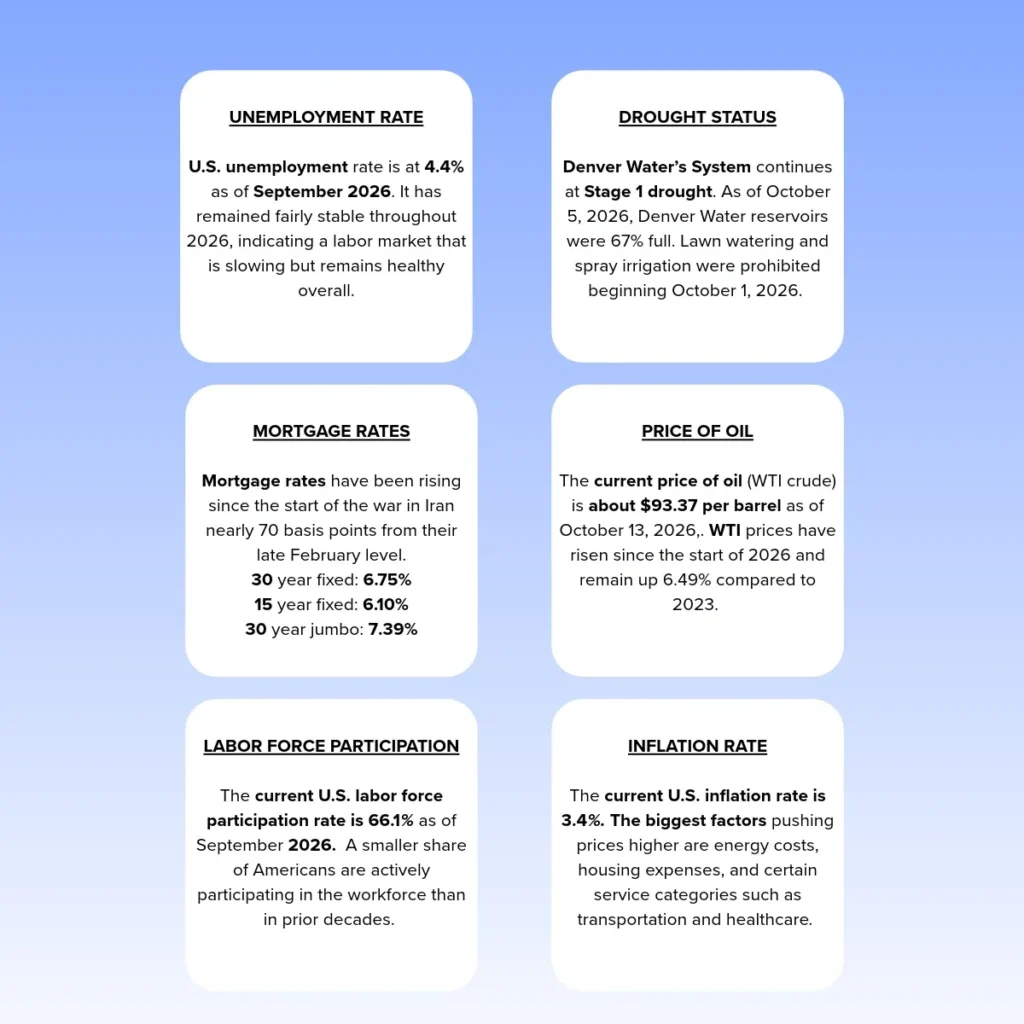
The latest staffing data points to a market that remains healthy, though growth trends are beginning to diverge between temporary and permanent hiring. While the temporary staffing sector is showing signs of moderating, permanent hiring demand continues to strengthen. This month’s report highlights where momentum is building and what recruiters should be watching in the months ahead.
JOB BOARD
Senior Tax Accountant – Denver, CO (Hybrid), $90K–$120K + Bonus – This role leads tax compliance and planning for high‑net‑worth individuals and their closely held businesses.
Indirect Tax Manager – Arvada, CO/Phoenix AZ (Hybrid), $130K–$150K + Bonus – A growing, multi‑entity organization is seeking an Indirect Tax Manager to lead its sales/use tax and property tax function during a period of significant expansion.
Enjoy your post-deadline detox. If I can help you with hiring or exploring new opportunities, I would welcome a conversation. Although the market is moving slower, hiring and job changes are still happening.

To your success,
Jay McCauley Executive Recruiter jay.mccauley@oxfordtaxrecruiting.com 303-730-0100